The Cost of Waiting: Why Financial Planning Can’t Wait for “Someday”
Developing the right mindset for financial success is what separates people who plan ahead from people who keep meaning to. Everything in this article builds on that one idea.
No one sets out to leave their family financially unprotected. It happens quietly, one postponed decision at a time — the insurance review pushed to next year, the savings plan that never got started, the “I’ll sort this out once things settle down” that never quite arrives. By the time many families realise financial planning was urgent, the options that were once available to them have already closed.
This is the conversation I have most often with clients, and it’s worth having with yourself too. Everything below matters, but one thing matters more than most: the mindset you bring to the decision. Getting that right may help saving, protecting, and acting on time come more easily, and can encourage follow-through. It isn’t the only factor — income, affordability, and personal circumstances matter too — but mindset often determines whether those other factors ever get addressed at all.
What’s Really at Stake

Financial planning isn’t about spreadsheets and jargon. It’s about making sure that if something happens to you — illness, disability, or worse — your family doesn’t have to face a financial crisis on top of an emotional one. It’s about your children’s education actually being funded when the time comes, not scrambled together under pressure. It’s about retiring with choices, rather than working because you have no alternative.
Without a plan, families don’t fail all at once. They fail by drift: a medical bill that wipes out years of savings, a breadwinner’s death that leaves dependents without income replacement, a retirement that arrives with far less than was needed. None of these outcomes are inevitable, and there are many contributing factors — but in many cases, they trace back to decisions delayed rather than decisions made badly. Planning ahead, while there’s still time for it to work, can meaningfully reduce this risk.
Here’s a simplified illustration, not an account of an actual client: picture two hypothetical households where the primary income earner passes away unexpectedly in their forties. In the first, there was no life insurance and no emergency fund — the surviving spouse has to sell the family home, pull the children out of their school, and re-enter the workforce immediately while grieving. In the second, a term life policy pays out a lump sum that replaces ten years of income. Same tragedy, two very different outcomes for the children left behind. The gap wasn’t luck — it was a plan that existed before it was needed. Actual outcomes depend on the specific policy, coverage amount, and each family’s circumstances.
Here’s the encouraging part: this isn’t a discipline you have to force yourself into. Once you genuinely understand what’s at stake — not in the abstract, but in terms of your own mortgage, your own children, your own retirement — the right mindset tends to follow on its own. People don’t procrastinate because they’re careless. They procrastinate because the stakes haven’t felt real yet. The moment they do, planning stops feeling like a chore and starts feeling like common sense.
Save First, Spend Second
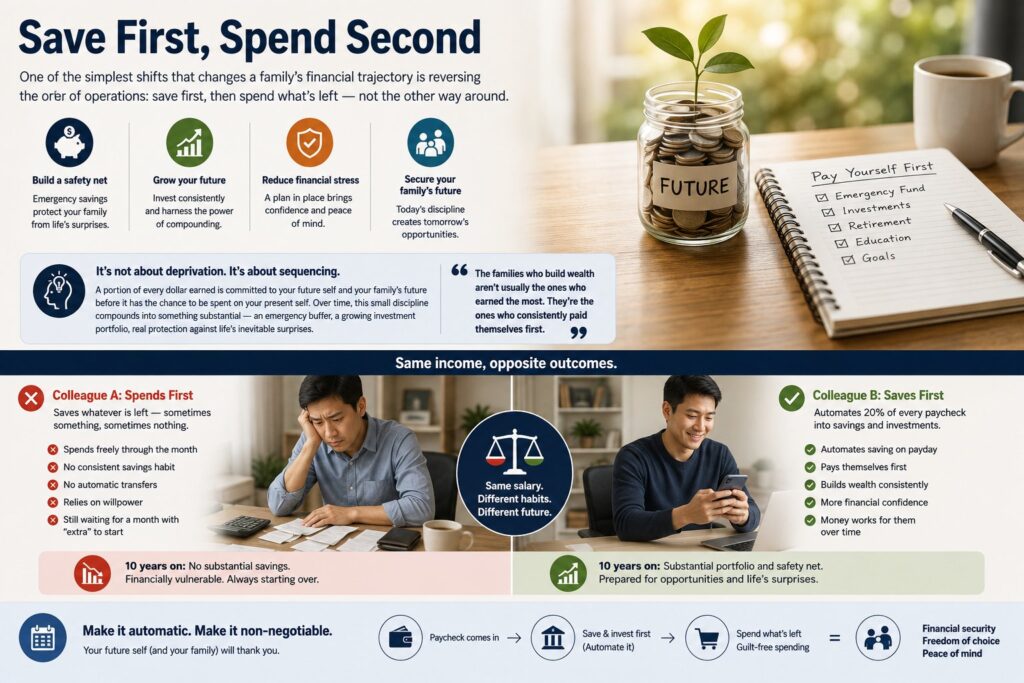
One of the simplest shifts that changes a family’s financial trajectory is reversing the order of operations: save first, then spend what’s left — not the other way around. This is deferred gratification in practice, and in my experience advising clients, it’s one of the most consistent habits behind long-term financial security, alongside income, affordability, and how well a plan fits individual circumstances.
It’s not about deprivation. It’s about sequencing. A portion of every dollar earned is committed to your future self and your family’s future before it has the chance to be spent on your present self. Over time, this small discipline compounds into something substantial — an emergency buffer, a growing investment portfolio, real protection against life’s inevitable surprises. The families who build wealth aren’t usually the ones who earned the most. They’re the ones who consistently paid themselves first.

Two colleagues earning the same salary illustrate this well. One spends freely through the month and saves whatever happens to be left — some months it’s a healthy sum, other months it’s nothing. The other automates a transfer of 20% of every paycheck into savings and investments the moment it lands, then spends the rest without guilt. Ten years on, the second colleague has a substantial portfolio and a safety net. The first is still waiting for a month with “extra” to start. Same income, opposite outcomes — because one made saving automatic and the other left it to willpower.
Underneath this discipline is a simpler skill that’s worth naming directly: knowing a need from a want. A need is what your family requires to actually function and stay protected — housing, healthcare, education, the insurance that stands between them and financial ruin. A want is what makes life more enjoyable in the moment — the upgraded phone, the extra meal out, the impulse buy that felt necessary at the time but wasn’t. Neither is wrong to spend on. The problem is sequencing: when spending comes first and saving is whatever happens to be left over, wants get funded automatically and needs get funded only if there’s anything left. Save first, and the order reverses — needs and future security are locked in before a single want gets its turn.
This is also why deferred gratification pays off so consistently, even though it rarely feels rewarding in the moment. Every dollar not spent today on a want is a dollar that gets to start compounding for a need tomorrow — and the further out that need sits, whether it’s a child’s university fees or your own retirement, the more that early dollar is worth by the time you actually need it. There’s also a quieter benefit that’s easy to overlook: the freedom that comes from not being financially stretched. Families who consistently defer smaller wants today tend to have far more room to say yes to the things that matter later — a career change, a medical decision made without financial pressure, the ability to help a child or a parent when it counts. Delayed gratification isn’t self-denial. It’s trading a smaller want now for a much larger set of choices later.
On Wealth Accumulation
Once you’ve built the discipline of saving first, a second question follows naturally: what do you actually do with the money?
Many people fall into a common fallacy here — keeping the bulk of their savings sitting idle in a bank account because cash feels secure. In one narrow sense it is: the number on the statement doesn’t fall. But that sense of security can be misleading. Inflation quietly erodes the purchasing power of idle cash every year, so money that looks unchanged in nominal terms can still be losing real value the entire time it sits there.
At the other end of the spectrum are people who feel confident managing all of their own money — picking their own investments, timing their own decisions, running the whole portfolio themselves. There’s nothing wrong with wanting control over your own finances. But it’s worth asking a genuine question: if part of that risk could be diversified to professional fund managers, through a properly structured investment portfolio or a passively managed endowment plan, why not do so for at least a portion of your wealth?
For most regular working adults, the more honest question is simpler still: do you actually have the time, the effort, and the expertise required to manage your own wealth well, on top of a career, a family, and everything else life already demands? For many people, the honest answer is no — and that isn’t a failing. It’s simply a reason to let a structured plan or professional management handle what daily life doesn’t leave room for.
The Mindset Shift That Changes Everything: Focus on the Benefit, Not the Bill
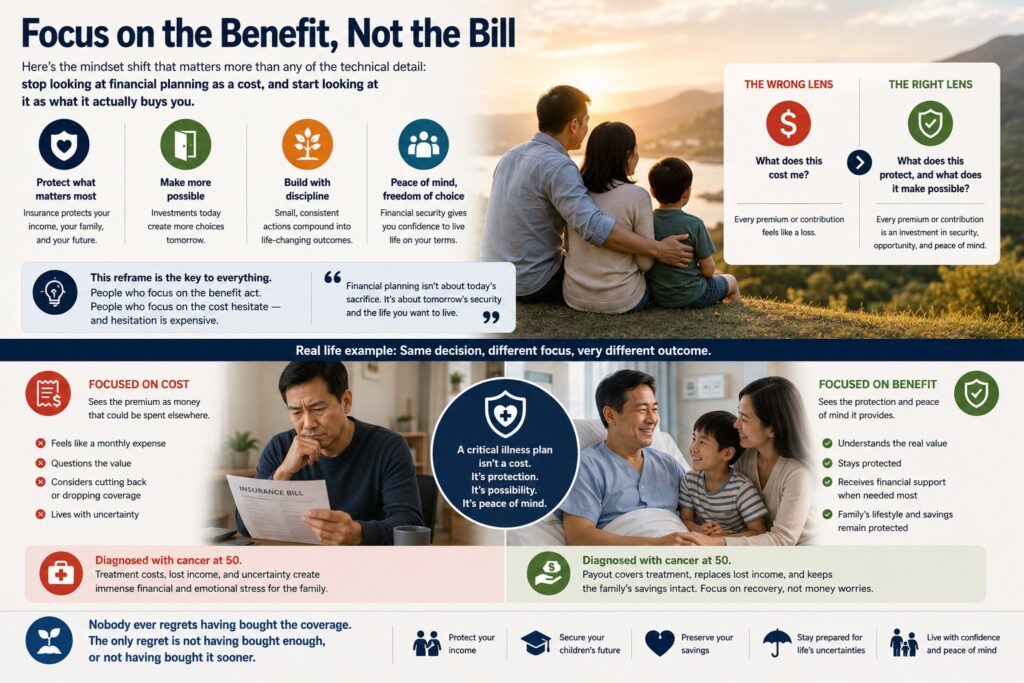
If you take only one idea from this article, make it this one: stop looking at financial planning as a cost, and start looking at it as what it actually buys you. Every other point here — saving before spending, seeing your plan as an asset, acting before your health or your time runs out — is downstream of this single shift in how you see the decision. Mindset isn’t one factor among many. It’s the one that determines whether any of the others ever get put into practice.
When people evaluate insurance premiums or investment contributions purely on what they cost each month, the number can feel like a loss. A more complete view weighs that cost against what it protects, and what it makes possible. A critical illness plan isn’t just a monthly deduction; it’s protection designed to help prevent a diagnosis from also becoming a financial catastrophe, subject to the specific plan’s coverage and conditions. A disciplined investment plan isn’t money you can’t spend; it’s a way of building toward the version of your life ten or twenty years from now, though actual results will depend on the plan, contributions, and market conditions along the way.
This lens is often, in my experience, part of the difference between the people who plan and the people who keep meaning to. Two people can look at the exact same premium and the exact same numbers and reach different conclusions, partly because of the lens they’re using. The one counting monthly cost alone may see an expense to be minimised or postponed. The one who also weighs the benefit tends to move faster toward a decision. Neither view is complete on its own — a sound decision weighs benefits, costs, risks, affordability, and suitability together — but starting from what a plan protects, rather than fixating only on its price tag, makes that fuller evaluation far more likely to actually happen.
Take a hypothetical example: someone paying a modest monthly premium for critical illness coverage is diagnosed with cancer at fifty. Focused purely on cost, they might have once seen that premium as money that could have gone toward a holiday or a nicer car. If the plan responds as intended, the payout that follows the diagnosis can help cover treatment, replace some lost income during recovery, and keep the family’s savings intact. Viewed after the fact, most people in this position say they’re glad the coverage was there, and some wish they’d bought more, or bought it sooner.
On Contracting a Serious Illness
A cancer or critical illness diagnosis is an unpleasant thought, and it’s natural that most people would rather not dwell on it. That instinct to look away is understandable — but it isn’t a strategy, and avoiding the thought doesn’t reduce the risk itself.
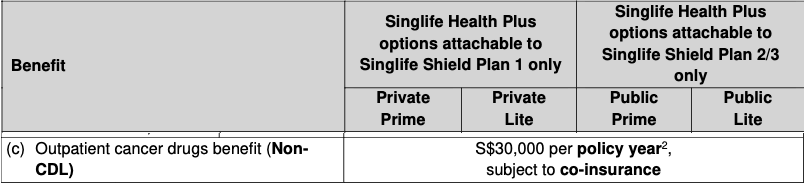
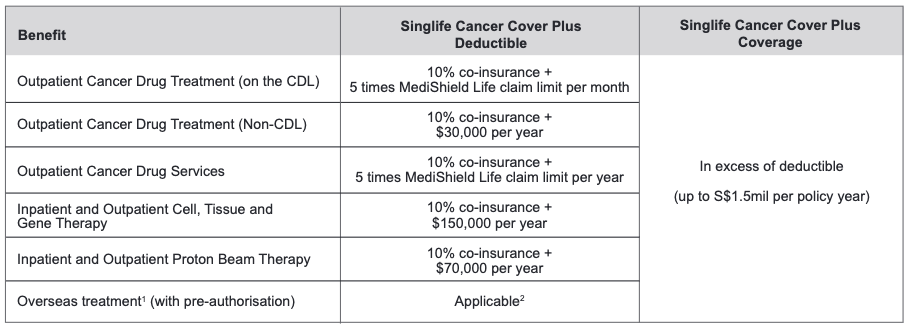
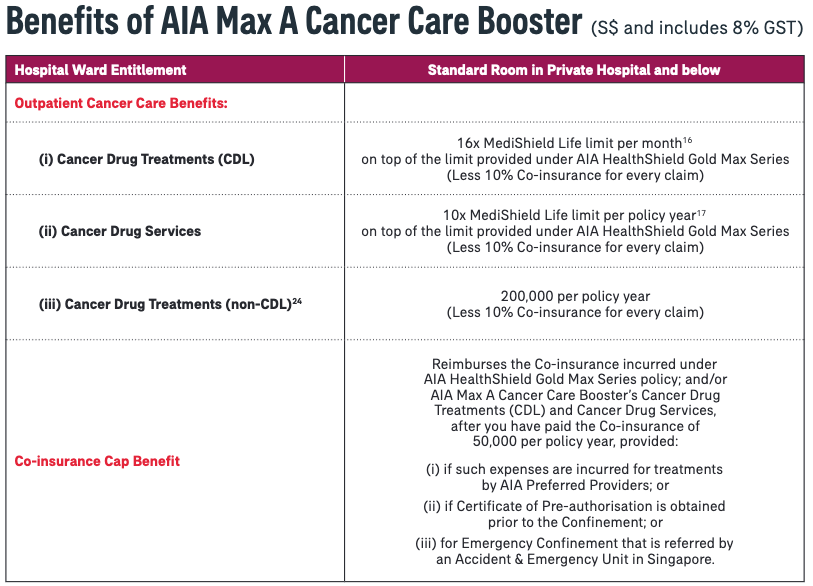
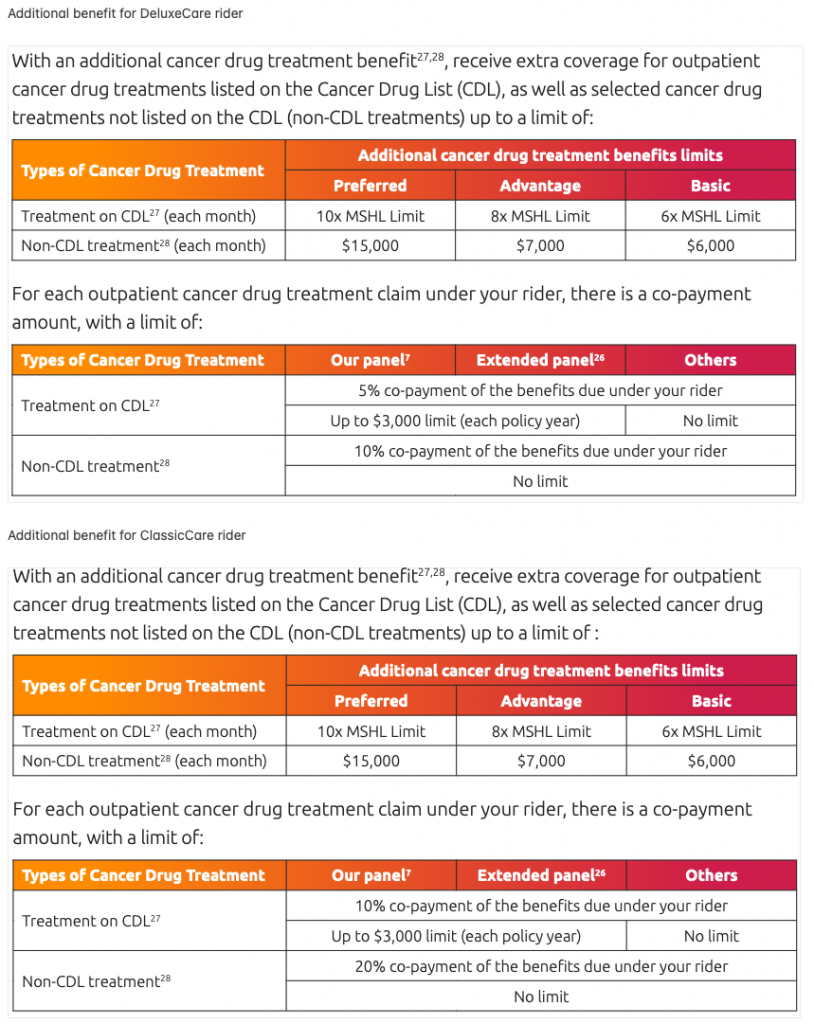
The more responsible approach is to actually look at the numbers. The Ministry of Health publishes official data on the leading cancers by incidence in Singapore, and the leading cancer types alone account for thousands of new diagnoses every year, across a wide range of ages, not just among the elderly. Once you’ve looked honestly at that data, the question worth asking is simple: am I somehow immune to this? If the honest answer is no, then a second question follows naturally — why wouldn’t I insure against a risk I’ve just acknowledged is real, in order to protect my own and my family’s financial interests?
This isn’t about living in fear of illness. It’s about applying the same mindset discussed throughout this article: looking clearly at a real risk instead of looking away from it, and then acting accordingly.
Your Plan Is an Asset, Not a Liability

Extend that mindset one step further and something clicks: a well-built financial plan doesn’t belong on the expense side of your ledger at all. It belongs on the asset side, next to your property and your investments.
Think about what actually sits on a personal balance sheet. An asset is something that holds or grows value and that you can draw on when you need it. That’s exactly what a properly funded insurance policy and a disciplined investment portfolio do — they sit quietly building value, then deliver exactly when your family needs them most. The premium isn’t money leaving your life; it’s capital being converted into protection and future value.
The liability, in truth, is the opposite of what most people assume. It’s the unfunded risk — the illness with no coverage behind it, the retirement with no income plan, the family with no safety net. That gap doesn’t show up on any statement, but it’s a real liability sitting on your household’s books, quietly accumulating until the day it comes due. Viewed this way, the real question isn’t “can I afford to plan?” It’s “can I afford to carry this unfunded risk any longer?”
If you listed your assets today — your home, your savings, your investments — would “protection against a health crisis” or “reliable retirement income” appear anywhere on that list? For most people, it doesn’t, even though it’s arguably the asset that protects all the others. A $500,000 property is only truly secure if the income paying its mortgage is also protected. Seen this way, insurance and structured savings aren’t separate from your other assets — they’re the foundation that keeps the rest of the balance sheet standing.
The Real Price of Procrastination
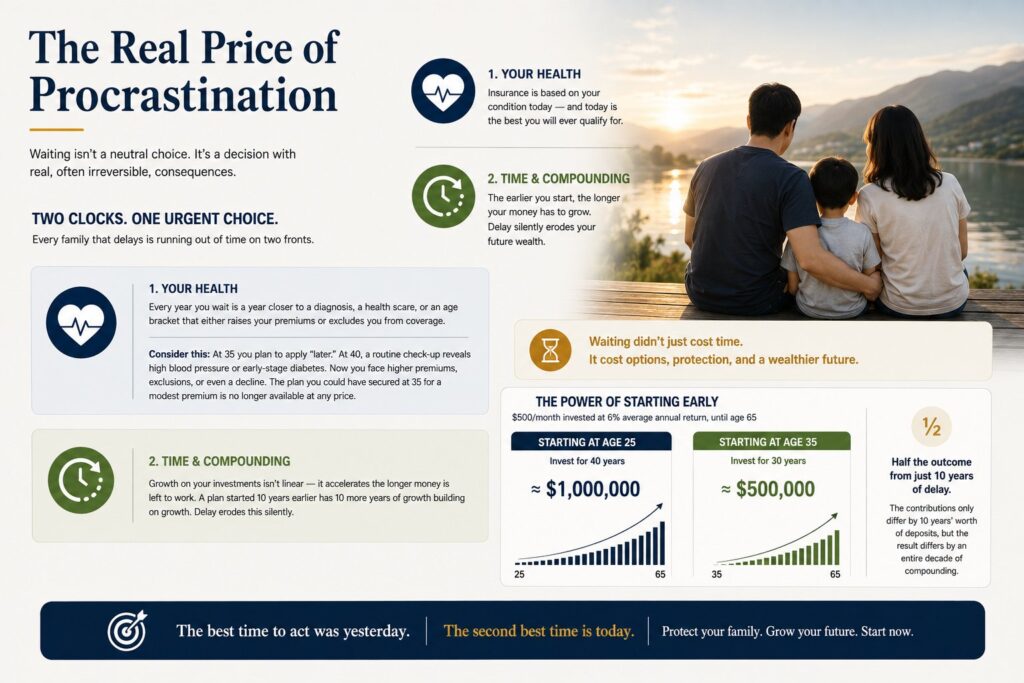
Which brings us to the hardest truth in financial planning: waiting isn’t a neutral choice. It’s a decision with real, often irreversible, consequences.
There are two clocks running against every family that delays.
The first is your health. Insurance is priced and underwritten based on your condition today — and today is the best you will ever qualify for it. Every year you wait is a year closer to a diagnosis, a health scare, or an age bracket that either raises your premiums or excludes you from coverage altogether. This isn’t a scare tactic; it’s how underwriting works. The people who most need protection are often the ones who can no longer get it, precisely because they waited until they needed it to start looking.
Consider someone who intends to “get around to” applying for coverage at thirty-five but keeps putting it off. At forty, a routine check-up turns up high blood pressure or early-stage diabetes. Now every application comes with a loading on the premium, an exclusion clause, or an outright decline. The plan they could have secured at thirty-five for a modest premium is simply no longer available at any price. Waiting didn’t just cost time — it closed the door.
The second clock is time itself, and what it does to compounding. Growth on your investments isn’t linear — it accelerates the longer money is left to work. A plan started ten years earlier doesn’t just have ten more years of contributions; it has ten more years of growth building on growth. Delay erodes this silently. You don’t see the cost of procrastination in your bank statement today. You see it decades later, in the gap between the retirement you could have had and the one you’re left with.
Run the numbers and the gap is stark. Someone who invests $500 a month starting at age twenty-five, earning an average 6% annual return, reaches sixty-five with roughly $1,000,000. Someone who waits until thirty-five to start the same $500 monthly contribution at the same return reaches sixty-five with roughly $500,000 — half the outcome, from just ten years of delay. The contributions only differ by ten years’ worth of deposits, but the result differs by the entire decade of compounding those early dollars never got the chance to earn.
Building a Legacy, Not Just a Safety Net

It’s worth remembering that planning isn’t only defensive. Done well, it’s also how wealth and security get passed on deliberately, rather than left to chance. The families who end up transferring something meaningful to the next generation are rarely the ones who earned the most — they’re the ones who turned income into an asset base early, and let it compound across decades rather than just years.
Two grandparents with similar lifetime earnings illustrate the point. One spent according to their means each year and left behind mostly memories. The other set up an education fund for grandchildren and a modest whole-life policy decades earlier. When the second grandparent passed, their grandchildren’s university fees were already covered and a tax-efficient payout went directly to the family — a legacy built deliberately, not one that happened to be left over.
A Recommended Thinking Process
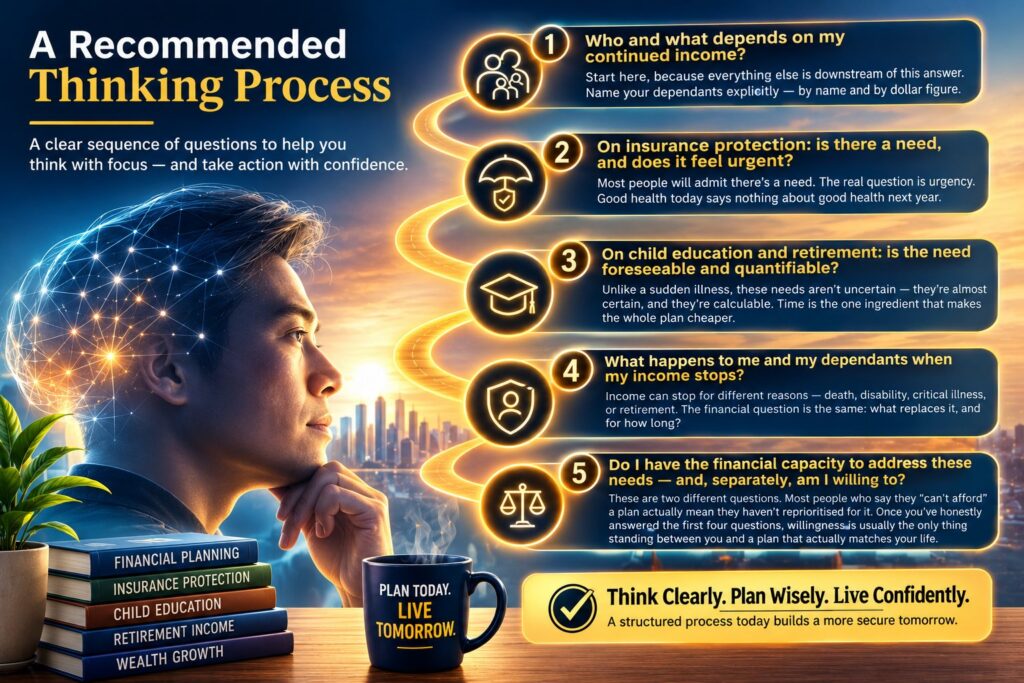
Mindset is the starting point, but it helps to have an actual sequence of questions to walk through — something more structured than “I should probably get around to this.” Here’s the order I’d suggest working through it in.
- Who and what depends on my continued income? Start here, because everything else is downstream of this answer. For most people it’s a spouse, children, aging parents, a mortgage, a lifestyle the household has built around two incomes or one. Naming these dependants explicitly — not vaguely, but by name and by dollar figure — is what turns “I should plan” into “I need to plan for them.”
- On insurance protection: is there a need, and does it feel urgent? Most people, if they’re honest, will admit there’s a need. Where the thinking usually breaks down is urgency — “I’m in good health, so this can wait.” But good health today says nothing about good health next year. It’s precisely because you’re insurable now that now is the time to act; the whole value of protection is that it’s arranged before the curveball, not after. Waiting for urgency to appear is waiting for the option to disappear.
- On child education and retirement: is the need foreseeable and quantifiable? Unlike a sudden illness, these needs aren’t uncertain — they’re almost certain, and they’re calculable. You can estimate roughly what university will cost, and roughly what retirement income you’ll need. When a need is both foreseeable and quantifiable, the only real question left is timing, and time is the one ingredient compounding cannot do without. Planning early for a certain need isn’t caution — it’s simply using the resource, time, that makes the whole plan cheaper.
- What happens to me and my dependants when my income stops? Income can stop for very different reasons — death, disability, critical illness, or simply retirement — but the financial question underneath is the same one each time: what replaces it, and for how long? Sit with this question specifically for your own household rather than in the abstract. If the honest answer is “I’m not sure” or “we’d be in serious trouble within a few months,” that’s the gap your plan needs to close.
- Do I have the financial capacity to address these needs — and, separately, am I willing to? These are two different questions, and it’s worth not collapsing them into one. Most people who say they “can’t afford” a plan actually mean they haven’t reprioritised for it — capacity and willingness are not the same thing. Once you’ve honestly answered the first four questions, willingness is usually the only thing standing between you and a plan that actually matches your life.
The Acid Test: Where Do You Actually Stand?

Mindset matters, but it has to translate into numbers you can check. Before you decide your planning is “good enough,” run it through three honest questions.
Does your life insurance cover exceed your outstanding mortgage, and does it extend far enough to replace at least ten years of your own and your family’s living expenses? A payout that clears the mortgage but leaves your family with no income for the years after is only half a plan.
Have you put plans in place to replace at least 50% of your current expenses in retirement? Most people underestimate this number badly, because they’re picturing today’s lifestyle rather than the actual cost of maintaining it decades from now, without a salary behind it.
Have you committed at least two months of your income toward your financial plan — protection and savings combined? This is a rough but honest gauge of whether your plan is proportionate to your life, or just a token gesture that lets you feel like the box has been ticked. Here’s a useful rule of thumb: if the amount you’ve set aside doesn’t cause at least some financial pinch, you’re probably under-planning. A budget that never stretches you is a budget sized for comfort today, not protection tomorrow — and comfort is exactly what got most underinsured families into trouble in the first place.
If you answered “no,” or “I’m not sure,” to any of these, that’s not a failure — it’s information. It’s the same gap between cost-thinking and benefit-thinking discussed earlier, just made concrete enough to act on.

It’s Okay That This Feels Hard
If committing to a long-term financial plan feels uncomfortable, that’s a normal reaction, not a sign you’re doing something wrong. You’re being asked to lock in a decision today for a future you can’t fully see — what your health will be like, what your income will look like, what your family will need. That uncertainty is real, and it’s fair to feel some hesitation about it.
But this isn’t a unique kind of discomfort. It’s the same discomfort behind almost every important decision in life. Getting married, having children, choosing a career, buying a home, starting a business — none of these come with a guarantee of how things will turn out, and no one waits until the future is certain to make them. People commit because they believe, based on what they know now, that it’s the right thing to do, and then they adjust as life unfolds. Nobody gets the plan perfectly right on day one, in a marriage, in a career, or in a financial plan, and that was never the standard to meet.
Financial planning works the same way. You commit based on your circumstances, needs, and goals today, and you review and adjust the plan as your health, income, and family situation change over the years. The goal was never to predict the future with certainty. It’s to have something in place, and adaptable, before you need it.
The Decision Is Simpler Than It Feels
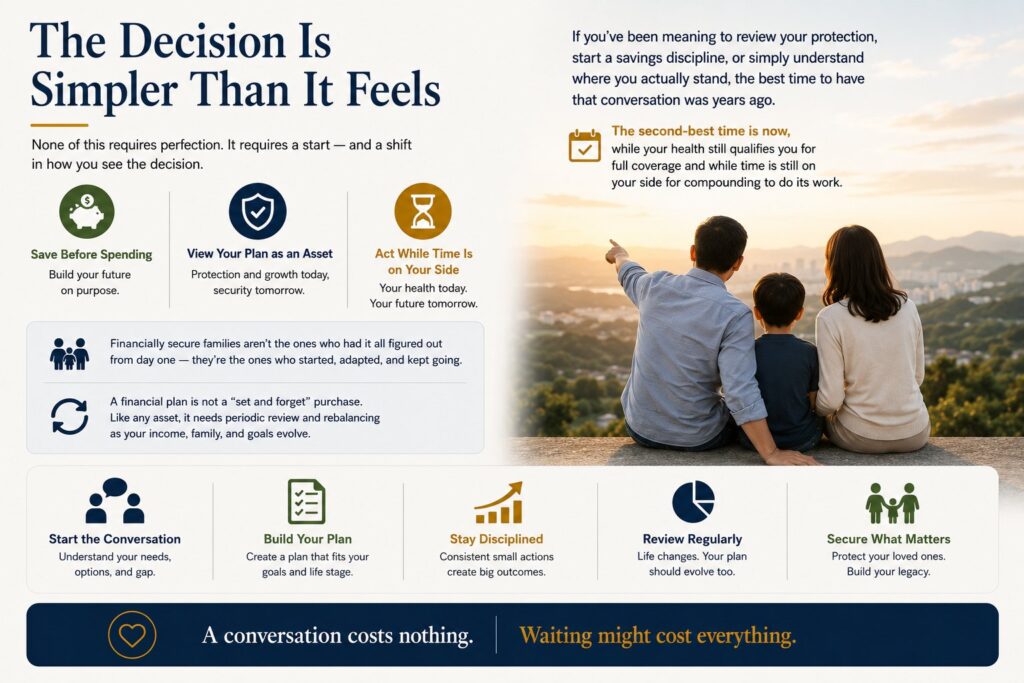
None of this requires perfection. It requires a start — and a shift in how you see the decision. Saving before spending, viewing your plan as an asset, acting while your health and your time are still on your side: none of it happens until the mindset changes first. The families who are financially secure aren’t the ones who had it all figured out from day one — they’re the ones who stopped seeing planning as a cost, began before they felt fully ready, and adjusted the plan as life changed. A financial plan is also not a “set and forget” purchase — like any asset, it needs periodic review and rebalancing as your income, family, and goals evolve.
It helps to think of it the way you’d think about physical health. Exercising once or eating clean for a single week doesn’t make you fit for life — fitness comes from showing up consistently and adjusting your routine as your body and circumstances change. A financial plan works much the same way. It isn’t a one-time purchase you can tick off and forget; it takes ongoing effort, like a fitness regimen for your finances, with regular check-ins and small adjustments to keep it in good shape. Skip those check-ins for too long, in either case, and you usually don’t notice the drift until it’s already cost you something.

If you’ve been meaning to review your protection, start a savings discipline, or simply understand where you actually stand, the best time to have that conversation was years ago. The second-best time is now, while your health still qualifies you for full coverage and while time is still on your side for compounding to do its work.
A conversation costs nothing. Waiting might cost everything.